Genetec vs IPTECHVIEW

This article analyzes Genetec Stratocast and IPTECHVIEW, two cloud-based video surveillance systems. Genetec Stratocast offers a user-friendly, scalable solution with various cloud storage options. IPTECHVIEW focuses on multi-vendor compatibility and ease of installation.

The following sections will compare their camera enrollment, storage options, analytics, pricing, and other features to help you decide which system best suits your security needs.

How CasinosWelcomeBonus Explains Casino Welcome Bonus Wagering Requirements in Canada

Casino welcome bonuses have become one of the most scrutinized promotional tools in the Canadian online gambling market. On the surface, a welcome bonus appears straightforward: a new player deposits funds, the casino matches a percentage of that deposit, and the player receives extra money to wager. The reality, however, is considerably more complex. Embedded within virtually every welcome bonus offer is a set of wagering requirements — conditions that determine how many times a player must bet the bonus amount (or the bonus plus deposit amount) before any winnings derived from that bonus can be withdrawn as real cash. These requirements are not arbitrary; they reflect a calculated balance between marketing cost, player retention, and regulatory compliance. In Canada, where online gambling operates across a patchwork of provincial frameworks and grey-market licensing regimes, understanding wagering requirements has become an essential skill for any player who wants to extract genuine value from promotional offers rather than simply chasing numbers that may never translate into withdrawable funds.

The Mechanics of Wagering Requirements and Why They Vary So Widely

A wagering requirement is expressed as a multiplier. If a casino offers a 100% match bonus up to CAD 500 with a 35x wagering requirement applied to the bonus amount, a player who deposits CAD 500 and receives a CAD 500 bonus must wager CAD 500 × 35 = CAD 17,500 before the bonus converts into withdrawable cash. Some operators apply the multiplier to the deposit plus bonus combined, which would push that figure to CAD 35,000 under the same scenario. The difference between these two calculation methods is enormous, yet it is frequently buried in terms and conditions written in dense legal language.

The range of wagering multipliers across Canadian-facing online casinos is wide. Industry data compiled between 2021 and 2024 shows multipliers ranging from as low as 20x on bonus-only calculations at regulated provincial platforms to as high as 70x or even 80x at offshore operators licensed in jurisdictions such as Curaçao or Malta. The median for offshore operators serving Canadian players tends to cluster around 35x to 45x on the bonus amount alone. Provincial platforms operated by entities such as the Alcohol and Gaming Commission of Ontario (AGCO) — which began licensing private online operators in April 2022 under iGaming Ontario — have generally imposed stricter advertising and transparency standards, which has had a secondary effect of pushing wagering terms toward more legible and often more player-favorable structures.

Beyond the raw multiplier, several other variables shape the effective difficulty of clearing a wagering requirement. Game contribution rates are among the most significant. Most casinos weight different game categories differently when calculating wagering progress. Slots typically contribute 100% of each wager toward the requirement, meaning every dollar bet on a slot counts as a full dollar of progress. Table games such as blackjack, baccarat, and roulette often contribute only 10% to 25%, and some operators exclude them entirely from bonus play. Video poker frequently sits at 10% or less. Live dealer games are commonly restricted or excluded. This means a player who prefers blackjack and receives a bonus with a 35x requirement may effectively face a 350x requirement in practical terms if blackjack contributes only 10%. This is one of the most misunderstood aspects of welcome bonus structures, and it is precisely the kind of nuance that platforms dedicated to explaining these offers have focused on communicating clearly.

Time limits add another layer of complexity. Most welcome bonuses must be cleared within a defined window — commonly 30 days, though some operators set limits as short as 7 days or as long as 90 days. If the requirement is not met within the allotted period, the bonus and any associated winnings are typically forfeited. Maximum bet restrictions during bonus play are also standard; many operators cap individual bets at CAD 5 or CAD 10 per spin or hand while a bonus is active, and violations of this rule can result in the entire bonus being voided retroactively. Withdrawal caps on bonus winnings, sometimes set at 3x to 5x the bonus amount, further limit the upside even when a player successfully clears the requirement.

How CasinosWelcomeBonus Approaches Explaining These Conditions to Canadian Players

The challenge of explaining wagering requirements to a general audience lies not in the mathematics — which is relatively simple once the variables are identified — but in the fragmented and inconsistent way operators present their terms. A bonus advertised as “200% up to CAD 1,000” tells a player almost nothing about its actual value without knowing the wagering multiplier, the calculation base, the game contributions, the time limit, the maximum bet restriction, and whether there is a withdrawal cap. Resources that aggregate and standardize this information serve a genuine informational function in a market where promotional opacity has historically been the norm rather than the exception.

CasinosWelcomeBonus has developed a methodology for breaking down welcome bonus terms that goes beyond listing the headline figures. The platform contextualizes wagering requirements by calculating expected value based on game return-to-player (RTP) rates, which allows players to understand the statistical probability of clearing a requirement through normal play. For example, if a slot has an RTP of 96% and a player must wager CAD 17,500 to clear a bonus, the expected loss during wagering is approximately CAD 700 (4% of CAD 17,500). If the bonus itself is worth CAD 500, the player is statistically expected to lose more clearing the requirement than the bonus is worth — a calculation that many players never perform before accepting an offer. Detailed comparative analyses of this kind are available at www.casinos-welcome-bonus.com, where individual bonus terms are examined against game-specific RTP data to give readers a realistic picture of net value rather than nominal value.

This approach is particularly relevant in the Canadian context because of the regulatory divergence between Ontario and the rest of the country. Since April 2022, operators registered with iGaming Ontario must comply with the Registrar’s Standards for Internet Gaming, which include requirements around clear disclosure of bonus terms. The AGCO’s advertising standards, updated in 2023, explicitly prohibit misleading bonus representations and require that wagering requirements be prominently disclosed rather than relegated to footnotes. This has created a measurable difference in how registered Ontario operators present their terms compared to offshore operators serving players in British Columbia, Alberta, Quebec, and other provinces where no equivalent private licensing framework exists. CasinosWelcomeBonus accounts for this regulatory split in its analyses, flagging when a bonus is offered by an Ontario-registered operator versus an offshore platform, since the consumer protections and recourse mechanisms differ substantially between the two categories.

The platform also addresses the question of bonus types that carry different wagering structures. No-deposit bonuses, for instance, typically carry higher wagering multipliers than deposit match bonuses — often 50x to 60x — because the operator bears the full cost of the promotion without any corresponding deposit from the player. Free spin bonuses present a different structure again: winnings from free spins are usually credited as bonus funds subject to wagering, rather than as cash, and the conversion rate from spin winnings to bonus funds is sometimes capped at figures as low as CAD 20 or CAD 30 regardless of actual winnings. Reload bonuses and loyalty bonuses often carry their own distinct terms. Understanding which bonus type a player is evaluating is the first step in applying the correct analytical framework, and conflating these categories is a common source of confusion among players who encounter a bonus offer for the first time.

The Regulatory and Industry Context Shaping Bonus Terms in Canada

The structure of wagering requirements in Canada cannot be fully understood without reference to the broader regulatory environment that has shaped operator behavior over the past decade. Prior to Ontario’s 2022 market opening, no province had a functioning private online casino licensing regime. Players across Canada largely accessed offshore platforms licensed in Curaçao, Malta, Gibraltar, or the Isle of Man, with no domestic regulatory body exercising direct oversight over bonus terms or player protection standards. This environment allowed considerable variation in how operators structured and communicated their promotional terms, with no consistent disclosure standard and limited recourse for players who felt terms had been applied unfairly.

Ontario’s iGaming framework changed this dynamic for the province’s roughly 14 million residents. By April 2024, iGaming Ontario had registered over 70 operators and more than 130 gaming sites, generating over CAD 2.4 billion in gross gaming revenue in its first full fiscal year. The regulatory requirements attached to this market access include mandatory responsible gambling tools, clear bonus term disclosure, and adherence to advertising standards that specifically address the presentation of promotional offers. The AGCO’s 2023 update to its advertising guidelines introduced restrictions on marketing that targets vulnerable populations and tightened requirements around the prominence of wagering requirement disclosures — a direct response to industry criticism that bonus marketing had historically obscured the conditions attached to offers.

Outside Ontario, the situation remains more complex. British Columbia’s PlayNow platform, operated by the British Columbia Lottery Corporation, offers a limited range of casino games and bonuses under a provincial monopoly model with relatively conservative promotional terms. Quebec’s Espace-jeux, operated by Loto-Québec, similarly operates under a government monopoly with its own promotional framework. However, the majority of Canadian players outside Ontario continue to access offshore platforms that are not subject to any Canadian regulatory authority. For these players, the practical tools for evaluating bonus terms are independent informational resources, since no regulatory body is reviewing the offers they receive or enforcing disclosure standards on their behalf.

The international regulatory trend has been toward greater transparency in bonus marketing. The United Kingdom Gambling Commission introduced its bonus terms guidance in 2019, requiring that wagering requirements be expressed in clear monetary terms rather than as abstract multipliers — a reform that significantly improved player comprehension in that market. Sweden’s Spelinspektionen has taken a more interventionist approach, prohibiting deposit bonuses entirely for Swedish-licensed operators since 2019, though this restriction has driven considerable traffic to unlicensed offshore sites. Canada’s provincial regulators have generally followed a disclosure-and-transparency model rather than an outright prohibition model, which means wagering requirements remain a feature of the Canadian market but are subject to increasing scrutiny around how they are communicated.

The mathematics of wagering requirements also intersects with responsible gambling considerations in ways that regulators and researchers have increasingly documented. A 2022 study published in the Journal of Gambling Studies found that bonus offers with high wagering requirements were associated with extended play sessions and higher rates of loss-chasing behavior among a subset of players, particularly those who had accepted a bonus without fully understanding the clearing conditions. This research has informed advocacy by organizations such as the Canadian Centre on Substance Use and Addiction (CCSA) for clearer and more standardized bonus term disclosure across all Canadian-facing operators, not just those registered in Ontario.

Practical Strategies for Evaluating Welcome Bonus Wagering Requirements

For a player attempting to evaluate whether a welcome bonus represents genuine value, a structured approach to reading the terms and conditions produces far better outcomes than relying on the headline figures alone. The first step is identifying the calculation base: does the wagering requirement apply to the bonus amount only, or to the deposit plus bonus combined? This single variable can double the effective difficulty of clearing a requirement and is the most impactful piece of information in the terms.

The second step is identifying the game contribution rates for the games the player actually intends to play. A 30x wagering requirement on a bonus is a materially different proposition for a slots player than for a blackjack player if blackjack contributes only 10%. For the slots player, the requirement is 30x. For the blackjack player, it is effectively 300x. This is not a hypothetical edge case; it is the standard structure across the majority of casino bonus programs, and it explains why many players who prefer table games find welcome bonuses effectively inaccessible even when they technically qualify for them.

The third step is calculating the expected cost of clearing the requirement against the value of the bonus. This requires knowing the RTP of the games being played, which is typically disclosed in the game’s information panel or in the operator’s game library documentation. A slot with 95% RTP has a house edge of 5%, meaning a player expects to lose CAD 5 for every CAD 100 wagered over time. Multiplying the house edge by the total wagering requirement gives the expected loss during clearing. If this figure exceeds the bonus value, the bonus has negative expected value even before accounting for variance — and variance itself means that many players will lose significantly more than the expected value during the clearing process.

Time limits and maximum bet restrictions should be evaluated in the context of a player’s realistic play patterns. A 30-day window with a CAD 17,500 wagering requirement demands approximately CAD 583 in wagers per day, which is a substantial commitment for a recreational player. Maximum bet restrictions of CAD 5 per spin are genuinely restrictive at higher stake levels and can create frustration when players accustomed to betting CAD 20 or CAD 50 per spin find themselves constrained during bonus play. Some operators have introduced “opt-out” mechanisms that allow players to forfeit a bonus and return to cash play without meeting the wagering requirement, which is a player-friendly feature worth specifically looking for in the terms.

Withdrawal caps on bonus winnings represent a ceiling on the upside of any bonus offer. If a casino caps bonus winnings at 5x the bonus amount and a player receives a CAD 200 bonus, the maximum they can withdraw from bonus-derived winnings is CAD 1,000, regardless of how much they actually win during wagering. This cap is particularly relevant for players who experience large wins early in their wagering period, as the cap means the statistical benefit of the win is partially or fully negated by the withdrawal restriction. Not all operators impose withdrawal caps, and their presence or absence is a meaningful differentiator between bonus offers that otherwise appear similar.

Taken together, these variables — calculation base, game contributions, expected clearing cost, time limits, maximum bets, and withdrawal caps — constitute the complete picture of a welcome bonus’s actual value. The gap between a bonus’s nominal value (the headline figure) and its expected value (the amount a player can realistically expect to benefit from after accounting for all conditions) is frequently substantial. In many cases, a smaller bonus with favorable terms delivers more real value than a larger bonus with restrictive conditions, a counterintuitive reality that runs against the instinct to chase the largest available offer.

The evolution of welcome bonus structures in Canada reflects a broader maturation of the online gambling market. As provincial regulation expands, disclosure standards improve, and players develop greater familiarity with the mechanics of bonus terms, the informational gap between operators and players gradually narrows. Resources that explain these mechanics in concrete, mathematical terms — rather than in the promotional language that characterizes most bonus marketing — contribute to a more informed player base and, by extension, to a market where operators compete more on the genuine quality of their offers than on the opacity of their conditions. For Canadian players navigating this landscape, the ability to read a bonus term sheet accurately is not a minor technical skill; it is the difference between a promotional offer that adds value to a gambling budget and one that effectively extracts additional revenue under the guise of a benefit.

About Genetec

This is a well-known provider of security solutions, and Stratocast is their cloud-based VMS system that makes the adoption of network video security solutions easy and allows you to connect to your business wherever you go. Using the Microsoft Windows Azure cloud-computing platform, Stratocast eliminates the need for on-site servers. As a result, installation time is reduced and you can begin monitoring your premises quickly.

It provides video monitoring, recording, and management features with a focus on simplicity and scalability. Genetec has more than 1800+ employees worldwide.

Features offered.

Prices

ProductYearsMSRPVAR
VMS License*1 Year$84$63
Cloud Storage (30 days retention)*1 Year$192$144
Camera**$620$465
Total 1 Year1 Year$896$672
Total 3 Years***3 Year$1407$1055


Informational pricing as per research on average of pricing data available q1/2024  for current correct pricing always consult with your distributor or the manufacturer.

About IPTECHVIEW

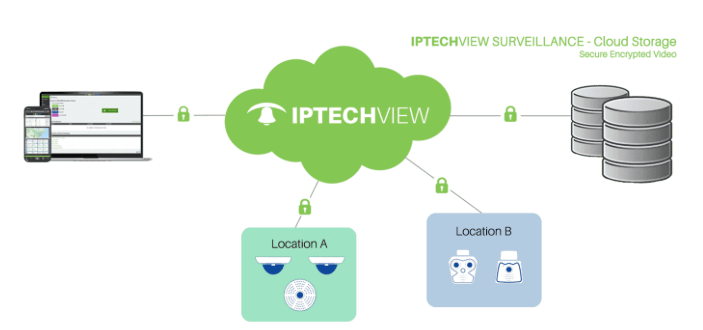
Focusing on partnerships, IPTECHVIEW offers a user-friendly cloud-based video surveillance solution (VSaaS) that caters to business security cameras. This scalable system can adapt to various needs, from small businesses to large, multi-site enterprises. Designed to avoid vendor lock-in, IPTECHVIEW empowers integrators with a secure and comprehensive remote management platform. This streamlines installation, remote management, and health monitoring for business security camera systems.

Prices

ProductYearsMSRPVAR
VMS License*1 Year$120$90
Cloud Storage (30 days retention)*1 Year$60$45
Camera$249$176
Total 1 Year1 Year$429$311
Total 3 Years3 Year$591$560


Informational pricing as found Q1/2024.  For current correct pricing always consult with your distributor or the manufacturer.

Comparisons of Features:

This section delves into how Genetec Stratocast and IPTECHVIEW stack up on key features, including camera enrollment methods, storage options, video analytics capabilities, and pricing structures. By understanding these factors, you can determine which system delivers the best value and functionality for your specific security requirements.

Feature
Camera EnrollmentIt supports a wide range of industry-leading cameras, from well-known manufacturers like Hanwha, Vivotek, Axis, MOBOTIX, iPro, and BoschMOBOTIX, Axis, and Universal cameras are supported in Cloud direct mode (all NDAA compliant). Also, some popular non-NDAA-compliant cameras like HiKvision & LTS can be used with a security gateway.
Form Factor OfferingOptions for 1 to 3 Years are available on 3 options: Basic (5FPS), Standard (10FPS) and Premium (15FPS)1-3-5 years licenses with 30-60 days of additional cloud storage
Other devices supportedEncoders, cloud and storage devices, intercoms, video surveillance equipment, and access control hardwareIntegration with IPTECHVIEW ecosystem like access control systems and environmental sensors from Kentix, DrayTek routers and switches, Fanvil’s intercoms, IPTECHVIEW LTE gateway, and 3CX and Epygi IP PBXs among others.
InstallationWith no servers to install or update, easily connect to the Stratocast systemPreconfigured cameras (Axis, MOBOTIX, Universal) are available in the cloud immediately after the camera connects to the broadband, to review footage and configure settings. The configuration file is available for download to be used with previously purchased cameras.
VisualizationWeb-basedCloud-based via Web
Storage optionsRecordings from 7 days, 14, 21, 30, 60 and 90 days retention.Edge recording in SD card (offered 128GB with the camera and expandable to 512GB). Cloud retention is offered for 30 ,60 ,90 ,..365 days.
AnalyticsMotion Detection, people and vehicle detection, and object tracking.Smart intrusion prevention, cross line, intrusion enter/leave area detection. Based on target classification. Intelligent People counting analytics, Crowd Density Monitoring, Vehicle Analytics, License Plate Recognition, Heat Maps, Floor Plans, Cross Products Insight. 
Onvif supportYes, using Omnicast they can offer hybrid recording, seamlessly combining on-premise and cloud storage on different ONVIF platforms. Yes, using IPTECHVIEW CAMGate
Price per license (VMS+30CL)$23/month/camera$15/month/camera


Price information as of information available online Q1 2024. For current prices always contact manufacturers or their distributors.

Visual Comparison of GENETEC vs IPTECHVIEW

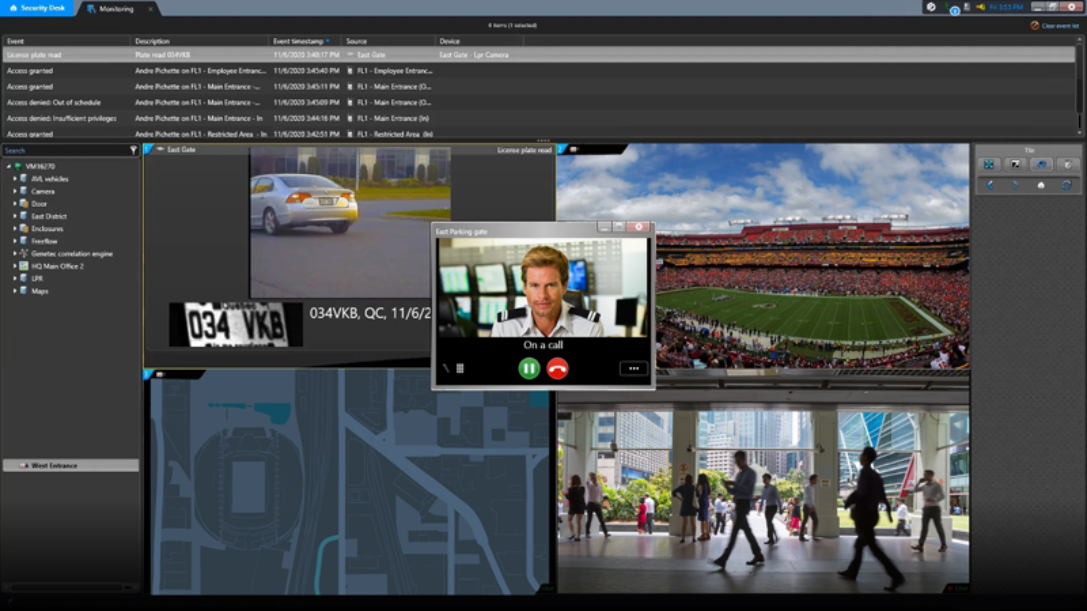
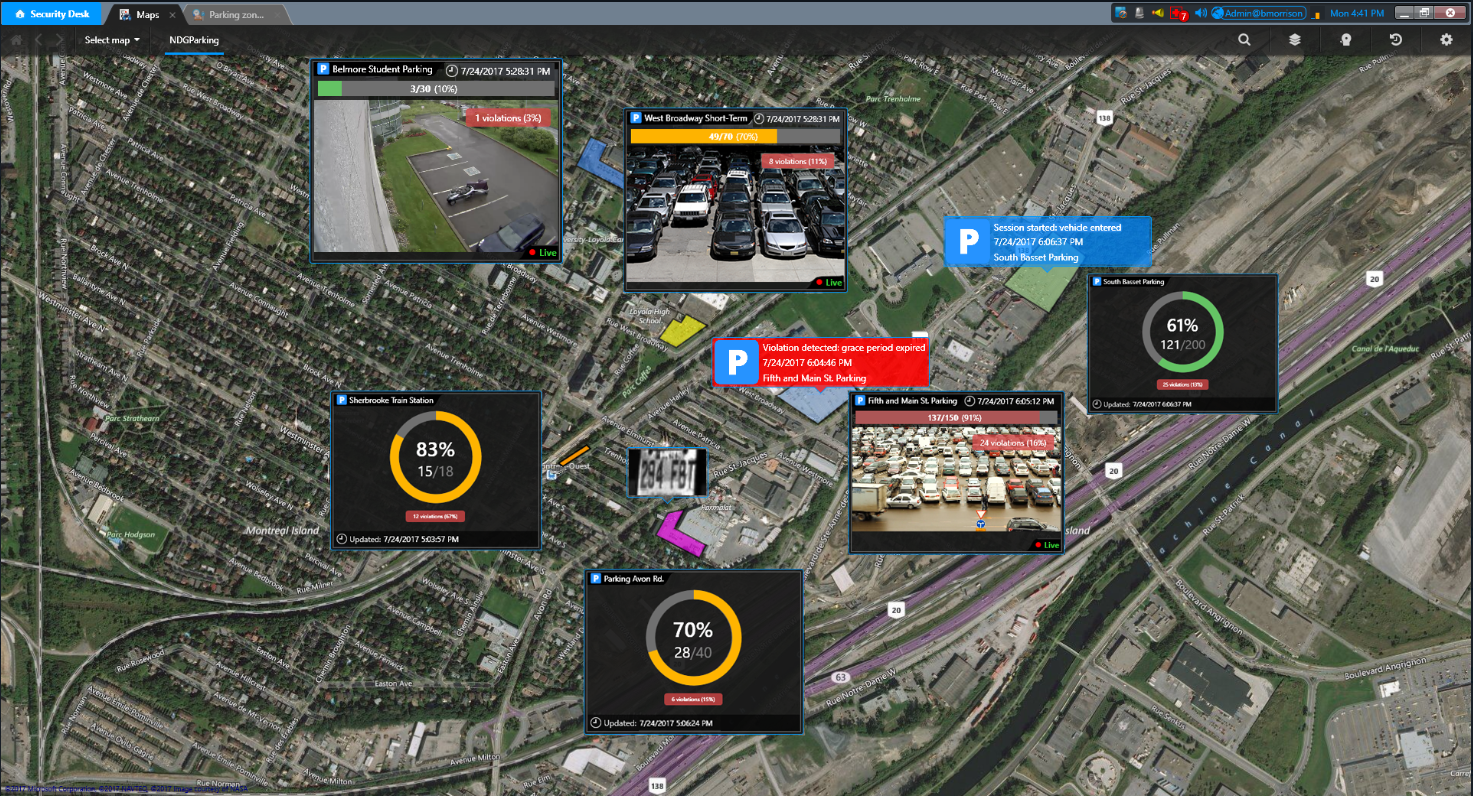
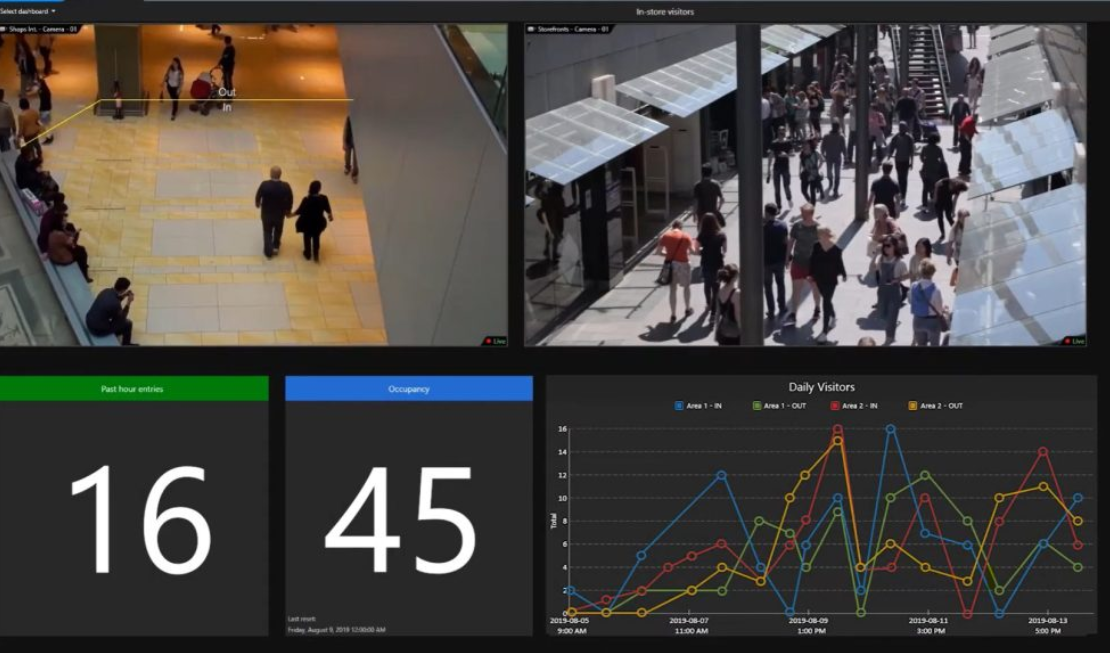
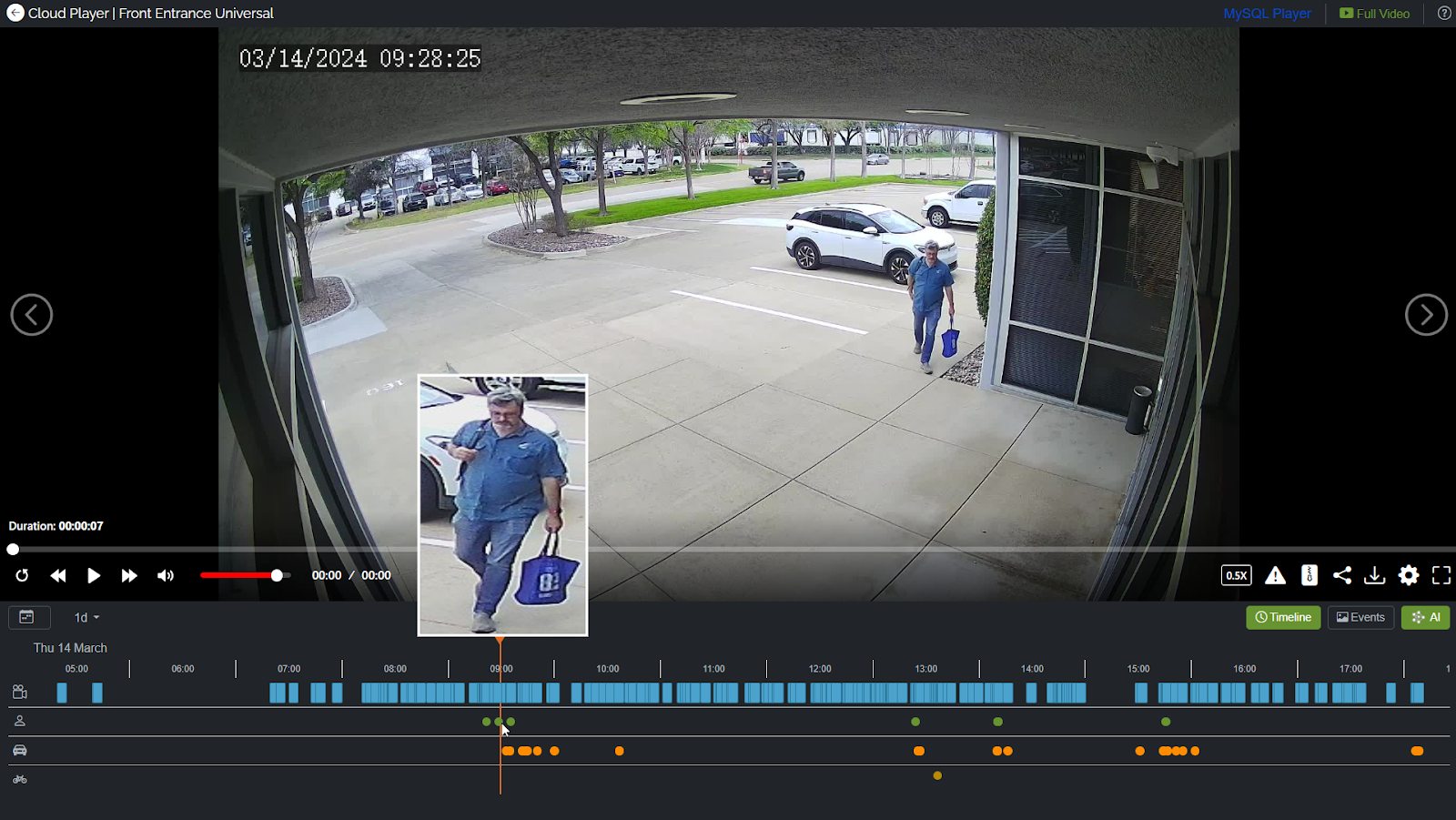
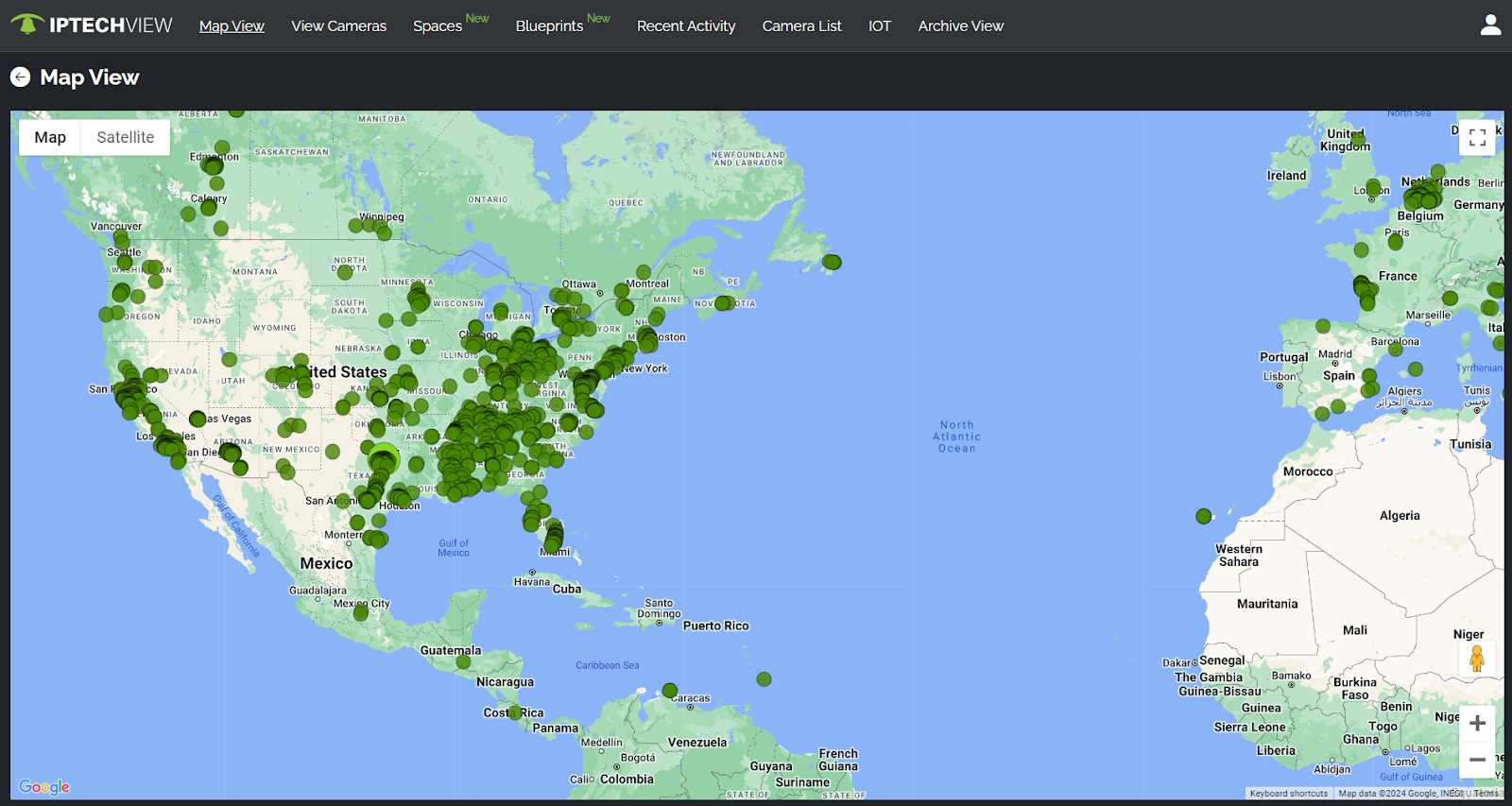
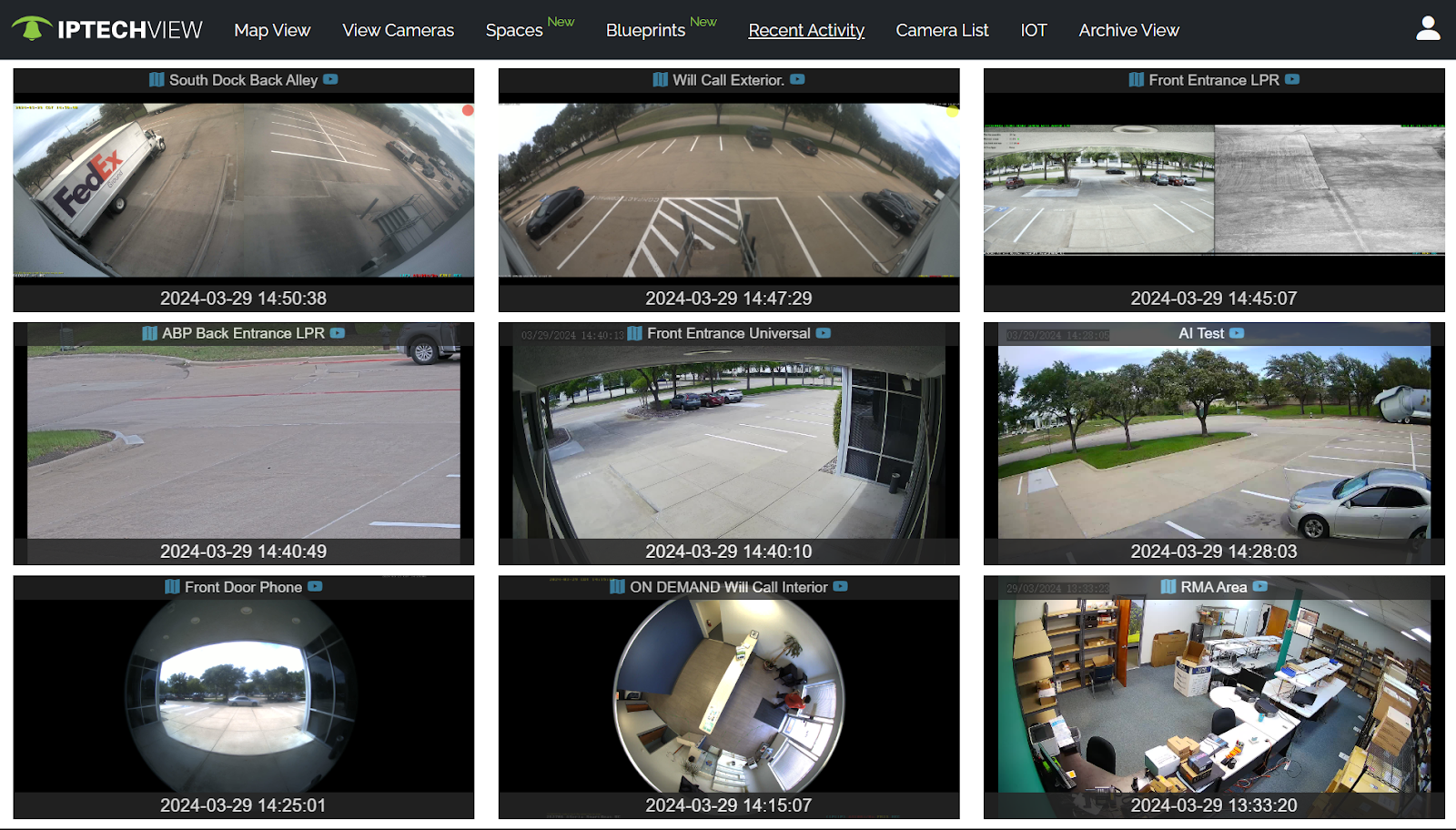
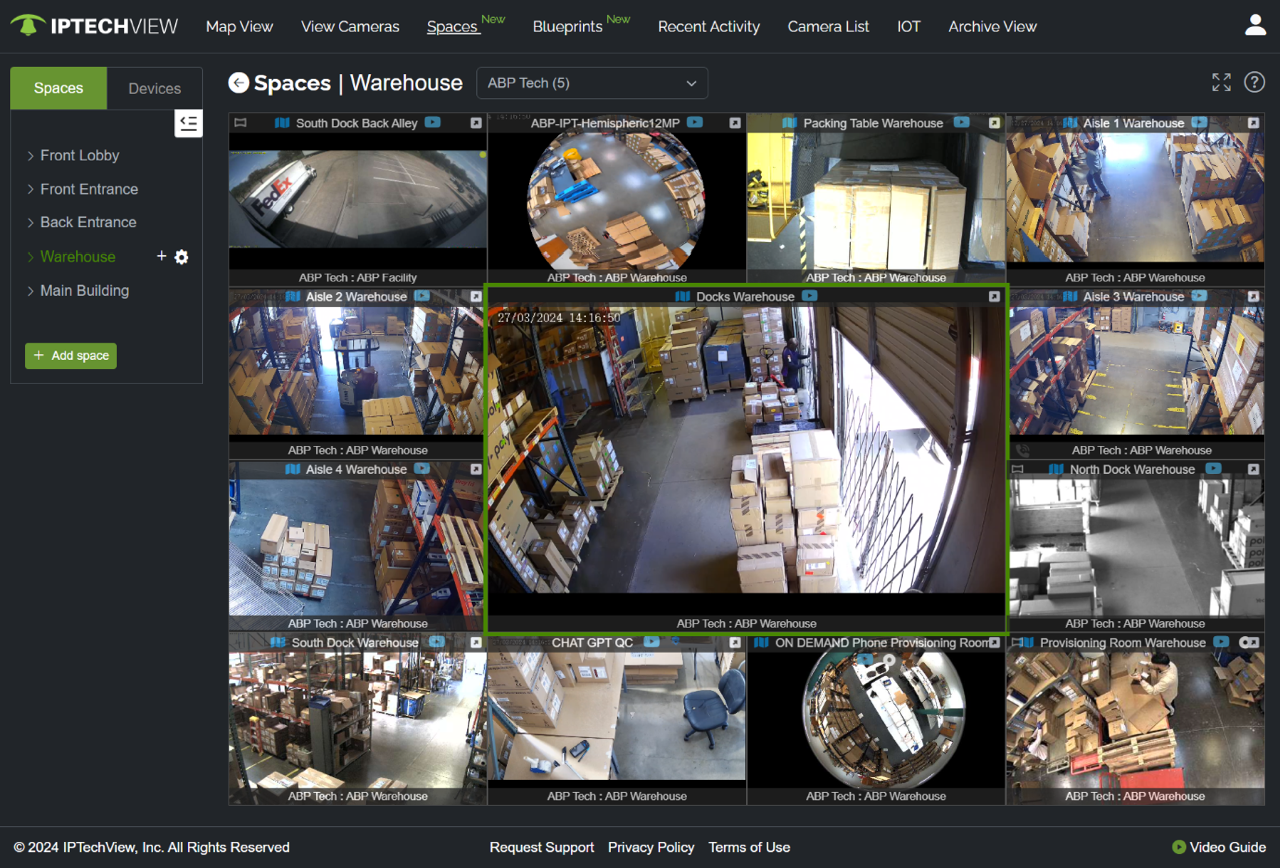
The following table provides a side-by-side comparison of Genetec Stratocast and IPTECHVIEW’s key features. This visual representation allows you to easily assess their functionalities and determine which system aligns better with your priorities. Consider factors like video search capabilities, the importance of map views, and the need for a video wall or advanced video dashboard.

GENETEC vs IPTECHVIEW
 GENETECIPTECHVIEW
Video Search
Map View
Video Dashboard
Video wall


Conclusion:

Genetec Stratocast leverages cloud technology for central access and scalability. They offer cloud-direct drivers for several cameras similar to IPTECHVIEW but require the loading of new separate firmware on these devices. IPTECHVIEW utilizes Open VPN tunnels that can be configured with its provisioning tool on the fly and therefore, is much easier to install.

IPTECHVIEW also offers additional features like AlarmReady TM, a universal alarm system Integration, Recent Activity, and a more flexible and powerful player for loss prevention users. IPTECHVIEW presents a competitive alternative to Genetec with similar features at a more attractive price point.

Comments are closed