
Integrating Video Surveillance Analytics Software into Your System

Integrating Video Surveillance Analytics Software into Your System

In this day and age, it is almost impossible to find a better alternative to video surveillance as a general security solution. Be it private property or public— video surveillance is everywhere.

From gas stations to universities, government and private industries have heavily invested in these surveillance settings. But the real question is— do we have enough manpower to get value out of the video? Except in the larger enterprise systems or government, in most cases it is still mostly classic record and view based.

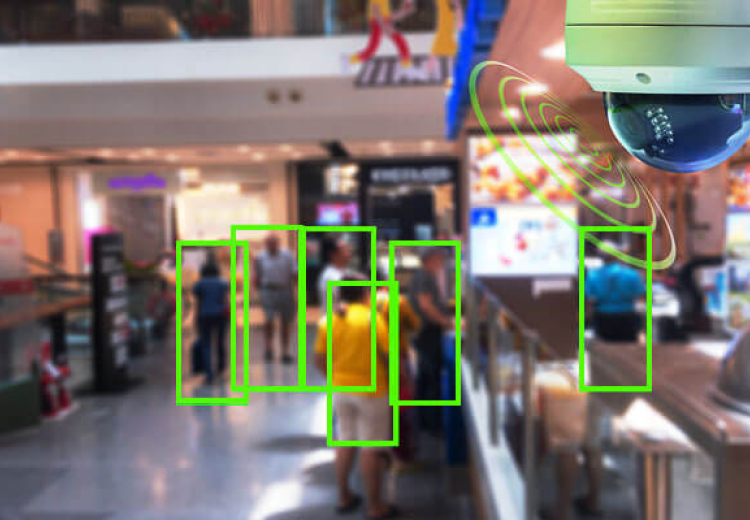
There are thousands of security cameras worldwide, and nobody has the patience to watch them all. This is where AI surveillance enters the conversation. AI has the ability to process every frame and give real-time feedback. It has made threat detection and monitoring so much easier that nobody has to sit in a chair for hours on end.

According to the AIGS index, note that this survey was conducted on 176 nations, and almost 75 countries actively rely on AI-powered analytics. China and the US are the top users and providers of this technology simultaneously.

In this BLOG we will show you how smaller organizations, mid sized even smaller companies can also do this and start getting a lot more value out of their video cameras.

How Does AI Analytics Work?

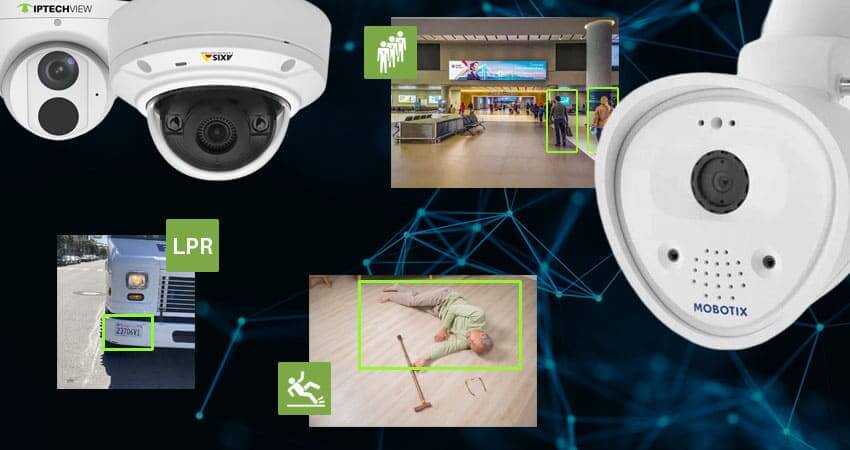
in video surveillance uses machine learning for the most part. Machine learning algorithms and computer vision analyzes video footage in real-time. Live data is compared against previous recorded data. This way, the system learns typical patterns of behavior like movement and interactions.

When the AI detects anomalies or deviations from its already recognized patterns, it triggers security alerts. Unusual loitering or unauthorized access, everything counts as an anomaly. So, the AI sends signals to the people in charge of the investigation. Let’s check out its applicability.

Features of AI-Powered Security Systems

Monitoring

If a business is considering AI Analytics, they probably already have a functional system. Despite the massive upsides, AI also has some challenges. Including:

Data Security and Integrity

AI surveillance creates a huge amount of data that needs to be carefully protected. Keeping this data secure from hackers and making sure it’s accurate is important. But it can be tricky to manage because there’s so much of it and it has to be processed quickly. Implementing these security measures is challenging, and also necessary to keep the system safe and reliable.

Ethical Concerns

AI systems can create ethical problems like bias in decision-making and privacy concerns from constant monitoring. For example, an AI used in hiring could unfairly favor certain groups if trained on biased data. Similarly, AI surveillance might invade people’s privacy, making them feel like they’re always being watched.

Organizations need to address these issues carefully to avoid losing public trust. If they don’t, they could face backlash, damage their reputation, and even face legal trouble. It is always smart to discuss your projects with your in-house legal counsel before deploying or spending resources to create a solution that might not be legal in your region.

Technical Challenges

Integrating AI analytics isn’t just about adding new technology. It requires careful adjustments to make sure the algorithms work correctly and fit with existing systems. This process is complex and needs experts who understand both AI and the current infrastructure to ensure everything runs smoothly. IPTECHVIEW AI STUDIO, AI LAB and AI RULE ENGINE are all tules designed for Technology Partners to develop and deploy their unique solutions.

More on Video Surveillance and AI for Cities and Public Spaces IFSEC Insider

Comments are closed